Music bingo › How to play
How to play music bingo: the rules, the win patterns and the job of the host
Music bingo is bingo where the host calls no numbers but runs tracks instead. The card holds song titles, and you mark whatever you recognise.
The rules take a minute to explain, yet the evening stands or falls on the details: which pattern counts, how many prizes you hand out, and what happens when two guests shout at the same second. I have run enough of these parties to know where they go wrong, so everything is set out below — including the cases nobody thinks about until they happen.


Scan the QR code with your phone, or tap a button if you are reading this on mobile.
What you need for a music bingo event
The list is shorter than people expect. This is all of it:
- Sound that fills the room. At home a bluetooth speaker is fine; in a venue you connect your phone to the system or to the projector.
- A playlist with enough tracks. Roughly 55 for thirty minutes, 110 for sixty and 164 for ninety. The app works that out the moment you set the running time. A rock playlist, a decade, a musical: use whatever suits the room.
- One bingo card per guest. Print them on A4 — two to a sheet with a cut line between — or let everyone join on their own phone.
- Something to mark with. Markers beat biros: thicker, faster, and readable from a distance.
- Prizes. Four of them, rising in value. More on that below.
- A host. One person who runs the game and verifies each bingo.
What you do not have to arrange: a DJ, a second person with a printed list to check against, a subscription or a Spotify account. The app runs the playlist, strikes the gong and does the checking.
The rules in brief
Hand out the unique bingo cards and agree what this round is about. Start the first track; the app gives about thirty seconds of it and then strikes the gong. Anyone who spots that title in front of them marks the square. As soon as somebody completes the agreed pattern they shout bingo and the music stops by itself.
Then comes the part that used to take longest. Along the side of every sheet sits a short code. Type it in and the app compares the tracks that have gone against that exact grid. Confetti for a real bingo, a buzzer for a bluff. That saves you walking through twenty-five squares by hand while fifty guests wait.
Win patterns: what are you playing for?
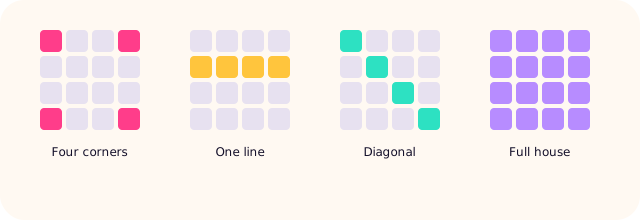
Sixty minutes that run only for the full card sag after twenty. So split the evening into rounds and make each one harder. These are the patterns, quickest first:
| Pattern | What it means | Falls after about |
|---|---|---|
| Four corners | the four squares in the corners | 10 to 15 titles |
| A line | one complete horizontal line | 25 to 35 titles |
| A column | one complete vertical column | 25 to 35 titles |
| Diagonal | either of the two slanted lines | 30 to 40 titles |
| Full card | every square marked | the end of the list |
A running order that works for a sixty minute event: corners, line, diagonal, everything marked. The free version covers a line and the complete grid; Bingo Master unlocks every pattern. You set the pattern per round in the app, and every phone shows the new goal straight away.
Match the size to the crowd. Nine squares (3×3) keep it short and suit children and older guests; sixteen squares (4×4) are the standard; twenty-five (5×5) belong to a long session. Bigger crowds make a double bingo more likely — more on that below.
How many prizes should you give?
Four is the sweet spot: fewer and attention drifts, more and it turns messy. Let them rise. Sweets for the corners, a bottle of wine for the line, something better for the diagonal and the big one at the end. A reward that matches the theme always beats an expensive one: on a cheesy evening a cassette tape is funnier than a gift voucher.
Keep one back for the false bingo. A consolation reward for whoever celebrates too early turns an awkward moment into the best moment of the evening.
Bingo called: real or false?
Every time there is somebody who calls too early, usually because they heard a track that was almost the one in front of them. Expect it and build it in. The buzzer sounds, everyone laughs, and within ten seconds you are running again.
What you should not do is knock that guest out of the game. Better: let them announce the next track from the playlist, or hand them a hat they wear until somebody else slips up. Agree this before the first track and nobody feels ambushed later.
Double bingo — and how to handle it
Two winners at once happens more often than people think, certainly from thirty players upward. There are two fair answers: a pair of identical rewards, or first to shout wins. Both work, as long as you say so beforehand. With children in the room choose the double reward, because a race lost by half a second lingers all evening.
You can only half prevent it. Every sheet carries a different spread, so chance stays chance. What does help: pick a bigger size for a large crowd, and keep something extra ready. The Tension Maximizer steers the order so that many guests close in together — which raises the excitement, and with it the odds of two winners.
The host and the DJ
Music bingo used to take three people: one to run the music, one to check the sheets and one to talk. That is down to one. The app runs the tracks, remembers what has gone and does the verifying; you only have to start, stop and keep the mood up.
A couple of practical notes. Turn on Soundcheck beforehand: it walks through your playlist and flags anything that will not run, so you never end up facing a silence halfway through. And connect your phone to the TV or projector if there is one — the room then sees which track is on and how many are left. The screen stays awake by itself while you run the game.
Want to join in yourself? You can, if somebody else types in the codes. Honestly though: hosting beats taking part.
One last thought about atmosphere. Put a few hits on while guests arrive and pick up their unique sheet — the mood is set before the first round. Paste a Spotify link, create a list your family and friends can sing along to, and leave the first prize somewhere visible. That is the difference between this and a trivia quiz: in a trivia round people think, here they sing. The best moments are never the ones you plan, and the fun comes from watching half the room bellow the chorus at once. Create one list per crowd and you can run the same format again next month.
Running a music bingo yourself
Traditional bingo needs numbers; this game needs songs, and that single twist is what makes it fun. There is no number to check: people listen to the opening seconds, recognise the hit and players mark it off. You do not need a professional host or a trivia round to warm a room up, because the music handles that. Most people know far more songs than they think.
Start by deciding what the evening should be. A short game of three rounds is perfect before dinner; a complete night of 90 minutes suits a party, a company event or a musical theme night. Whether your crowd grew up on the 90s or on last summer's charts, use their own music instead of a generic list: the best selection is the one where every player recognises something — a classic, a guilty pleasure, a recent hit. That is what gets people out of their seats.
The format is easy. Create the list, choose the card size and the win pattern, then give everyone a card with the song titles printed on it. Each song is played once, in a random order. The first person to fill a whole line shouts bingo, and the host verifies that call with the code along the side. Guests who would rather not print join online at bingobanger.party with your game code. Small prizes per round keep the energy up, and they do not have to be expensive.
Questions, or want a hand hosting your first game? Email robin@kreatrix.nl and you will hear from us within a working day. The app is free, six cards included.
Frequently asked questions
How do you play music bingo?
Every guest gets a bingo card with song titles instead of numbers. Whoever runs the game starts a track, the app plays about 30 seconds of it, and anyone holding that title marks the square. Fill the agreed pattern and you shout bingo. Type in the card code and the app confirms it within a second. Then the next round starts.
What do you need for a music bingo night?
A phone with the app, sound loud enough for the room, one bingo card per guest and something to mark with. That is all. Print the cards on A4, two to a sheet, or let everyone join on their own phone. You do not have a separate DJ: the app runs the playlist and strikes the gong between tracks.
Which win patterns exist in music bingo?
Four corners, a line, a column, a diagonal and the full card. The free version covers a line and a complete grid; Bingo Master unlocks every pattern. You choose per round, so one evening can hold four rounds that get harder as they go.
How long does one round take?
Count on roughly 33 seconds per track: the 30 second fragment plus the moment guests need to recognise it and mark it. A round for a line usually runs 15 to 25 minutes. Sixty minutes is normally three or four rounds with a short break in between.
What should you do about a false bingo?
Nothing dramatic. The app sounds a buzzer and the evening carries on. Make it playful instead of punishing: let that guest pick the next track from the playlist, or hand over a silly hat until somebody else gets it wrong. Because the check runs on the code, you never have to walk through 25 squares by hand.
Can two people get bingo at once?
Yes, and with a big crowd it is likely. Agree in advance what happens: two rewards, or first to shout wins. With children the double reward is kinder. The Tension Maximizer deliberately steers the order so that many guests close in together, so keep a spare prize ready.
Who makes a good host?
Someone who enjoys talking and does not mind sitting out the competition. That person starts every track, verifies each bingo and keeps the pace up. Since the app handles the playlist and the checking, you need no musical or DJ experience at all.
Can you run a music bingo without printing?
Yes. Your guests do not need the app: with your game code everyone plays along for free on their own phone at bingobanger.party. They see their own grid and tap the titles they hear. You use the app yourself and print nothing.
Pick a theme for your night
You bring your own music, so any theme works. These pages give you a head start per theme, including a ready-made list from the app:
No cards yet? Bingo cards covers printing, and music bingo has the whole story from playlist to party.